Image



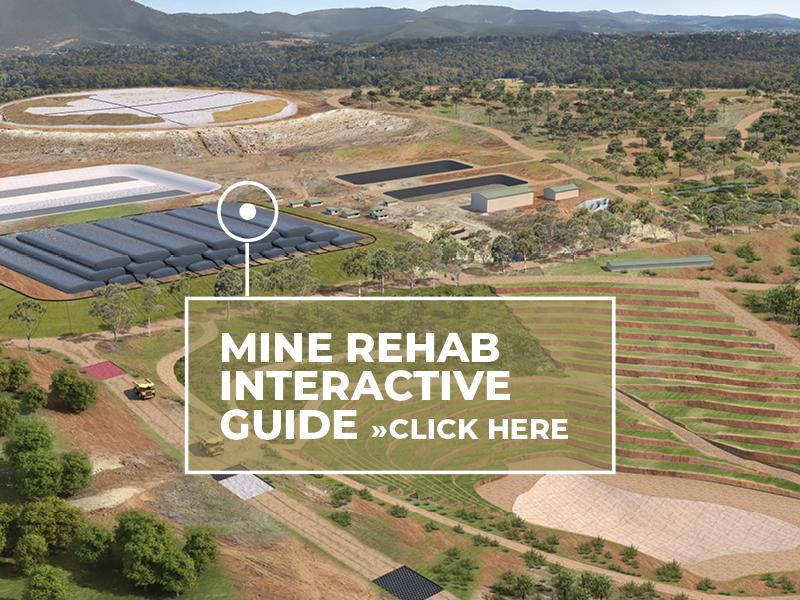
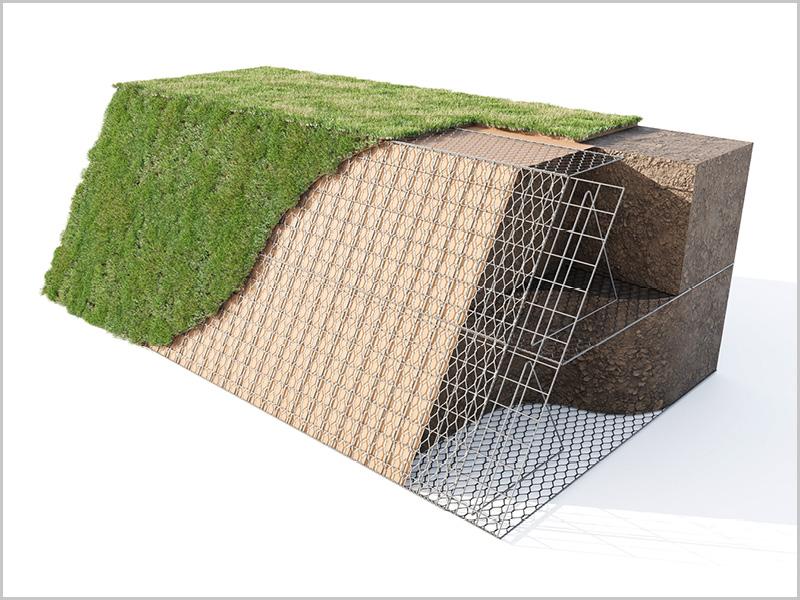
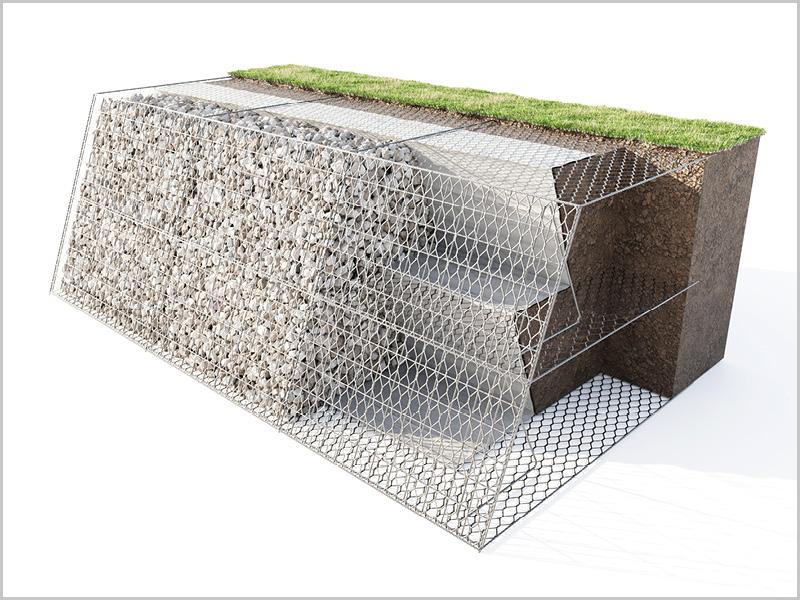
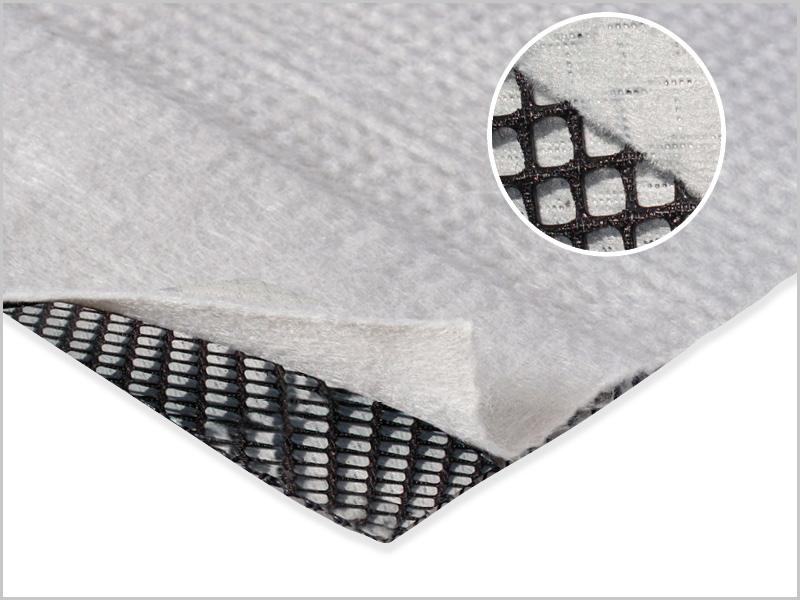
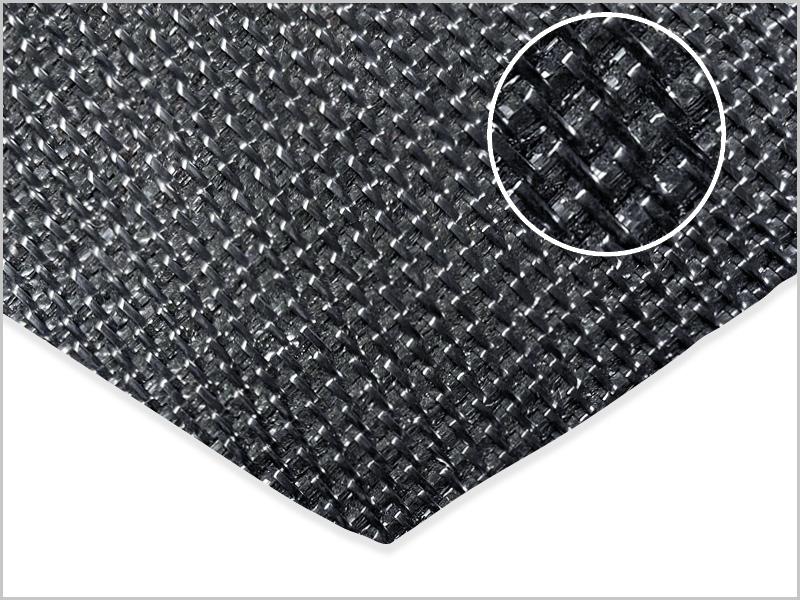
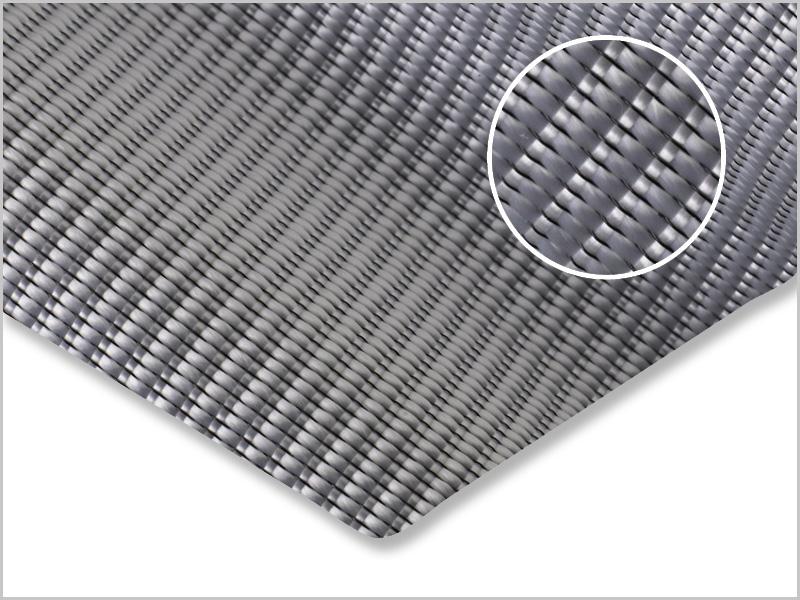
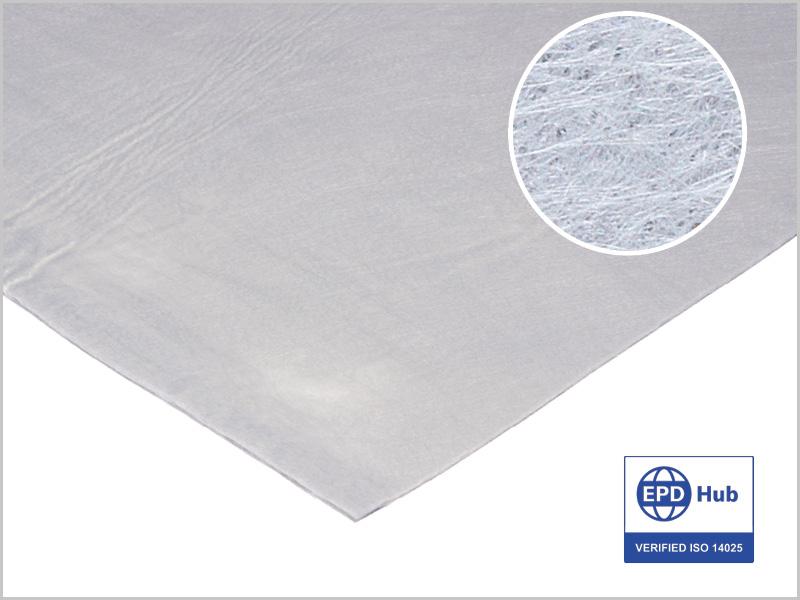
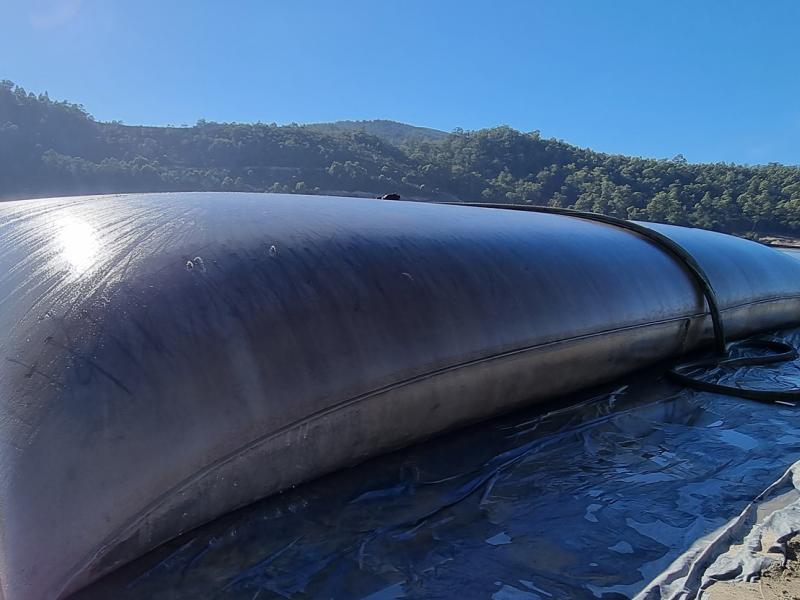
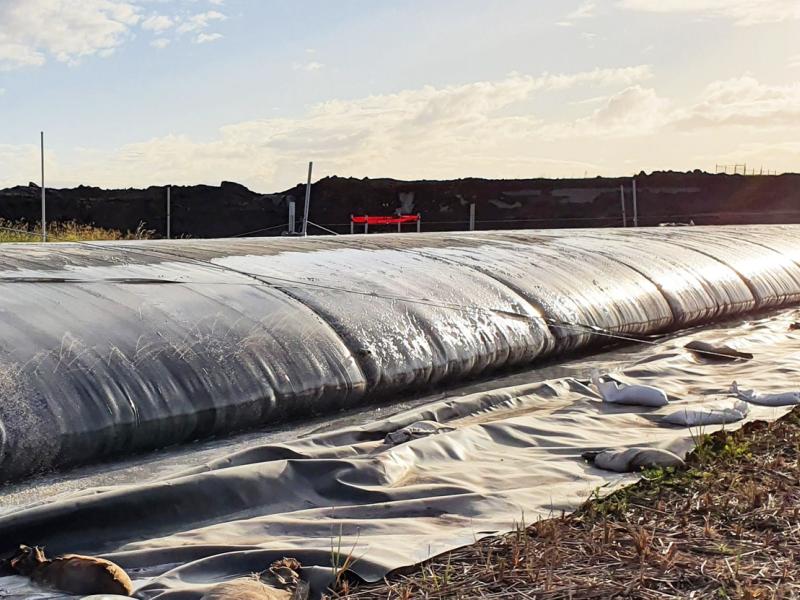
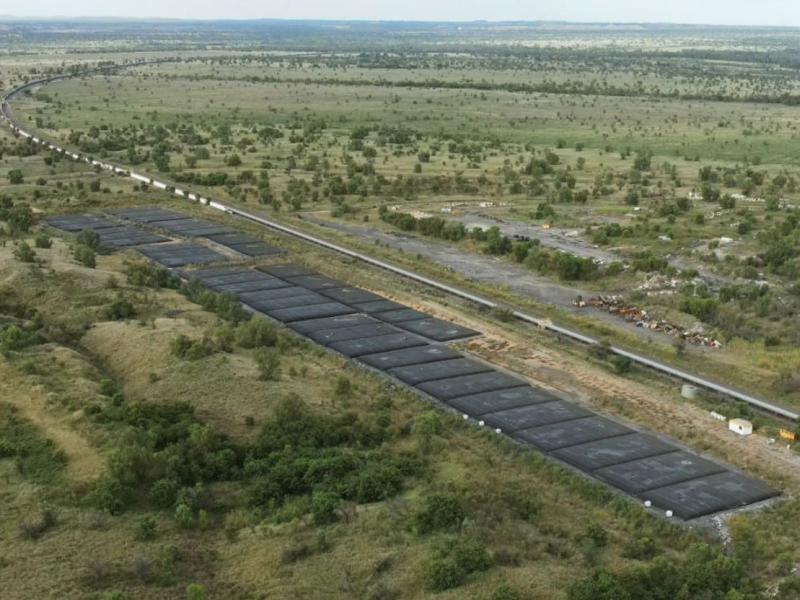
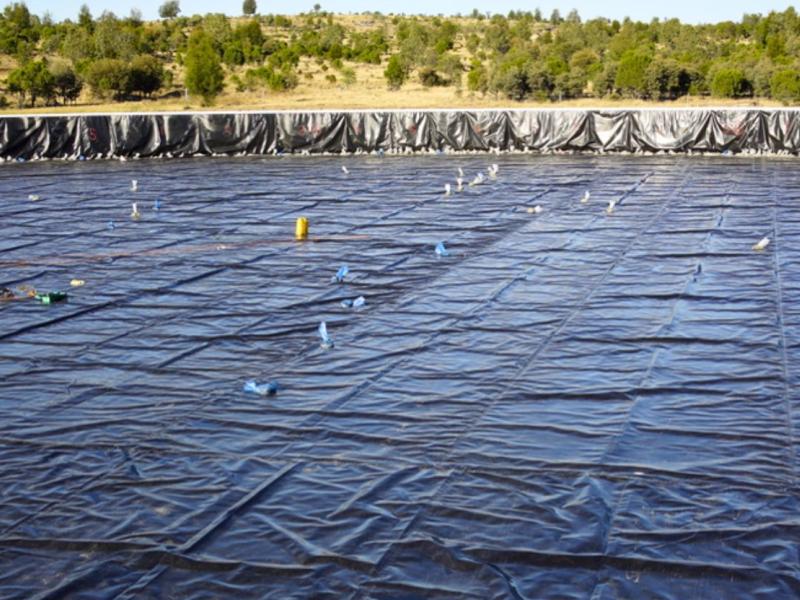
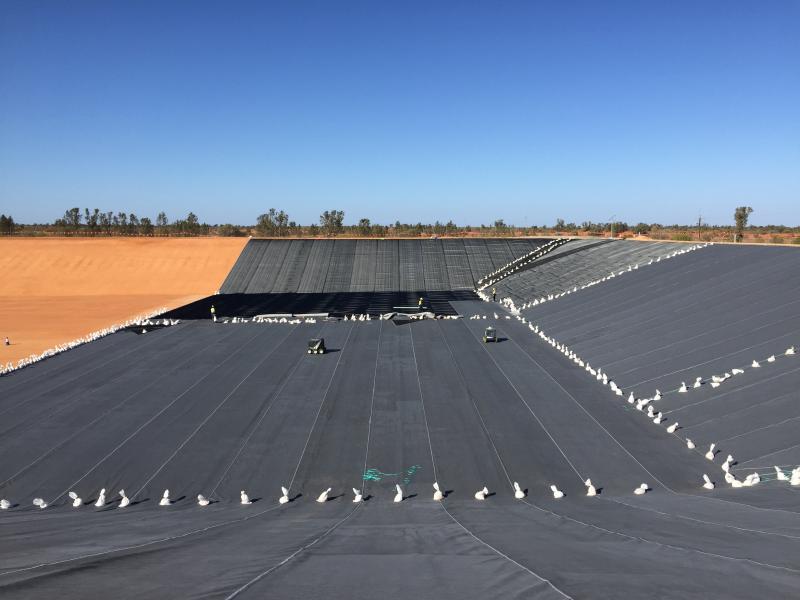
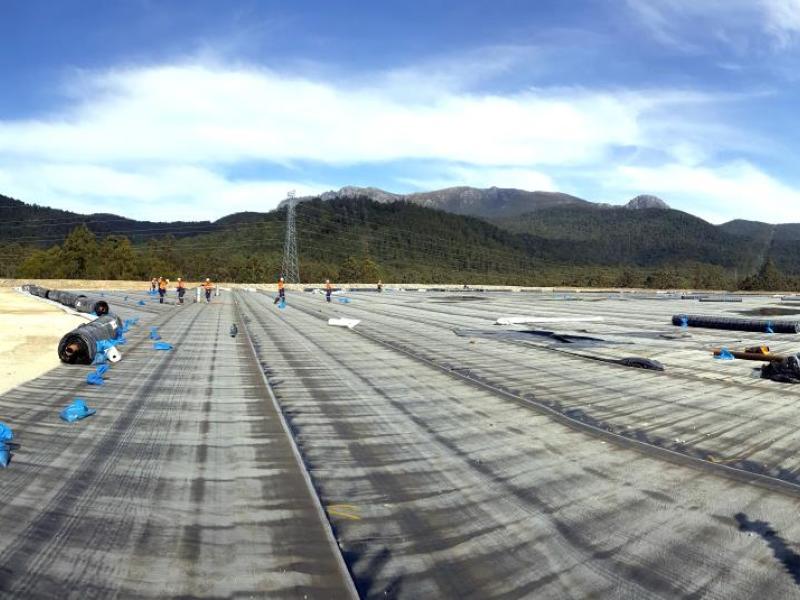
Geosynthetic engineering can assist with repairing and restoring the landscape during or following the conclusion of mine activity. From flattening or securing steep slopes, to waste containment, revegetation and the protection of waterways, geosynthetics can be used to support safe, stable and non-polluting rehabilitation for future use.
We work with our clients to develop rehabilitation and containment systems which are backed by years of research and are designed to meet regulatory guidelines, are in line with the Mining Act 1992, and mitigate risk.
Geosynthetic engineering in mine rehabilitation can achieve a cost benefit and improved environmental performance when compared to traditional engineering techniques. These solutions support mine closure and rehabilitation through applications such as tailings and water management and capping systems.
Rainfall erosion can cause major damage to tailings and waste embankments and cause loss of final landform profiles. Geofabrics provides a range of surface erosion control solutions designed to protect landforms, prevent high-velocity sediment movement, and support revegetation, while also:
Geosynthetic erosion measures can be deployed rapidly to prevent loss of surface sediments and organic deterioration of soils, while also providing the following benefits:
|
|
|
CLICK TO SEE OUR MINING REHABILITATION BROCHURE |
Download » |